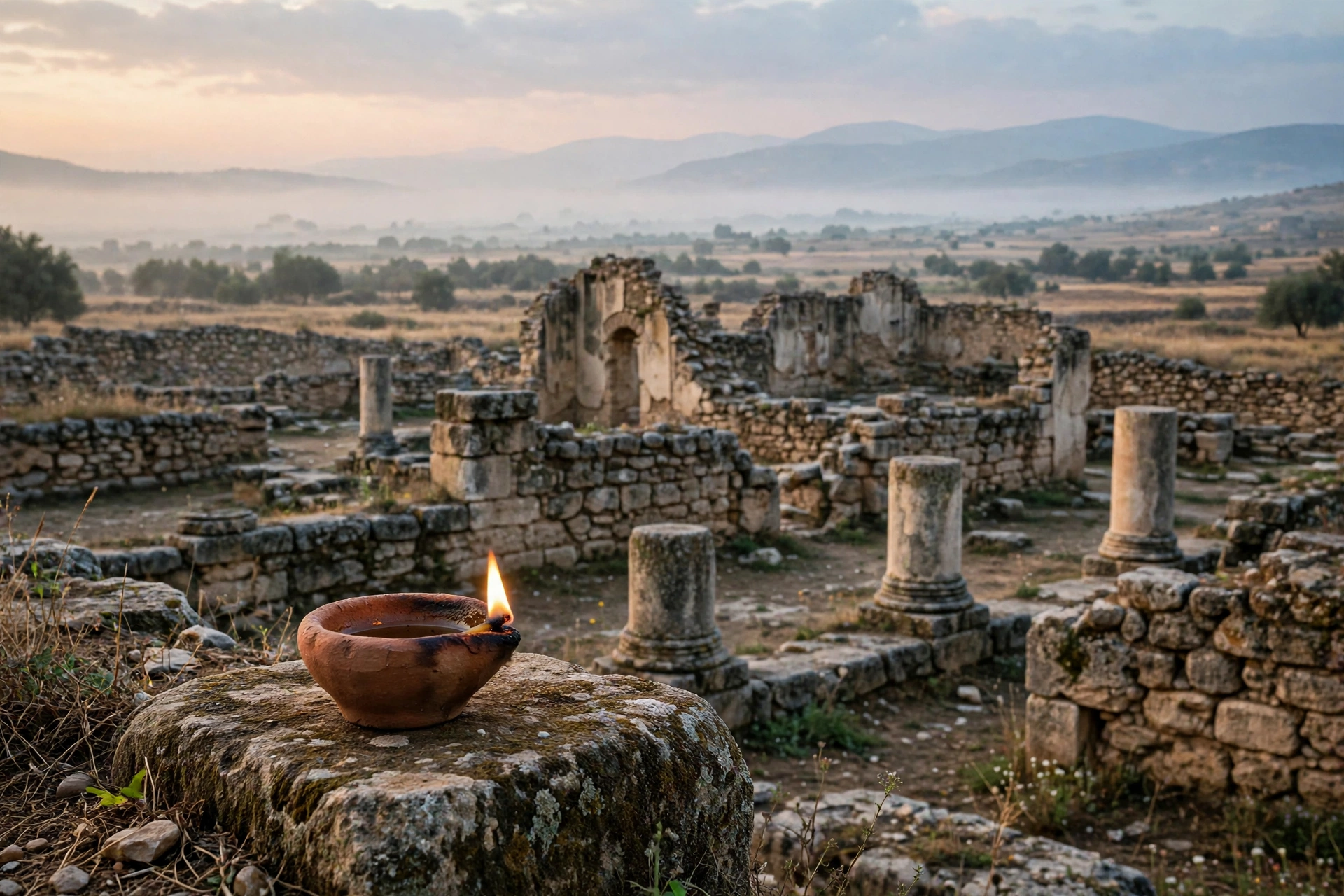
The church in Sardis had a name, a history, and an address. Jesus said it was dead.
“You have a reputation of being alive, but you are dead” (Revelation 3:1, NIV). Christ’s diagnosis separates what we confuse: reputation and life are not the same thing. Programs keep a church’s reputation. Only the Spirit keeps its life.
But notice the order of what Jesus commands next. He does not tell them to plant another church in Sardis. He tells them to strengthen the one that remains: “Wake up! Strengthen what remains and is about to die” (Revelation 3:2, NIV).
In the New Testament, revitalization begins with the remnant, not with a restart. Before any strategy comes strengthening: tired people, forgotten prayer, the memory of what was received and heard. “Remember, therefore, what you have received and heard; hold it fast, and repent” (Revelation 3:3, NIV).
Our temptation is to reverse the order. We celebrate what is born and despise what was inherited. But Christ invested in Sardis. He did not abandon the dead church; he called it back to life.
And in Sardis there were “a few people… who have not soiled their clothes” (3:4). The remnant is not the church’s problem; it is the starting point of renewal.
Revitalizing a church is not returning it to the past. It is strengthening it for the mission still ahead of it, beginning with the exegesis of the neighborhood where God placed it.